
The Five Seconds Before You Speak
Most communication trouble begins in the small space before we speak. Three simple questions, asked in five seconds, can change the temperature of a conversation: Is it true? Is it necessary? Is it kind?

The Cheapest Investment Most Professionals Never Make
Most professionals will spend freely on comfort, convenience, and distractions, then hesitate to invest in the skills that could actually improve their future. The real cost is not the course, coach, or conference. It is the years spent underprepared, unclear, and standing still.

The Reputation You Don’t Know You’re Building
A hard piece of feedback from two trusted colleagues forced me to confront a reputation I never intended to build. I thought I was being efficient, but others experienced it as interruption, urgency, and disrespect. This is a reflection on intent, impact, and the quiet ways leaders can spend trust without realizing it.

The Comfort Trap, Part 2
Recognizing the comfort trap is one thing. Leaving it well is something else entirely. The leap gets all the attention, but the landing is where people actually get hurt. After three major career pivots, I have learned that leaving well requires more than courage. It requires a runway, a clear story, transferable skills you can name, and enough humility to survive being new again.
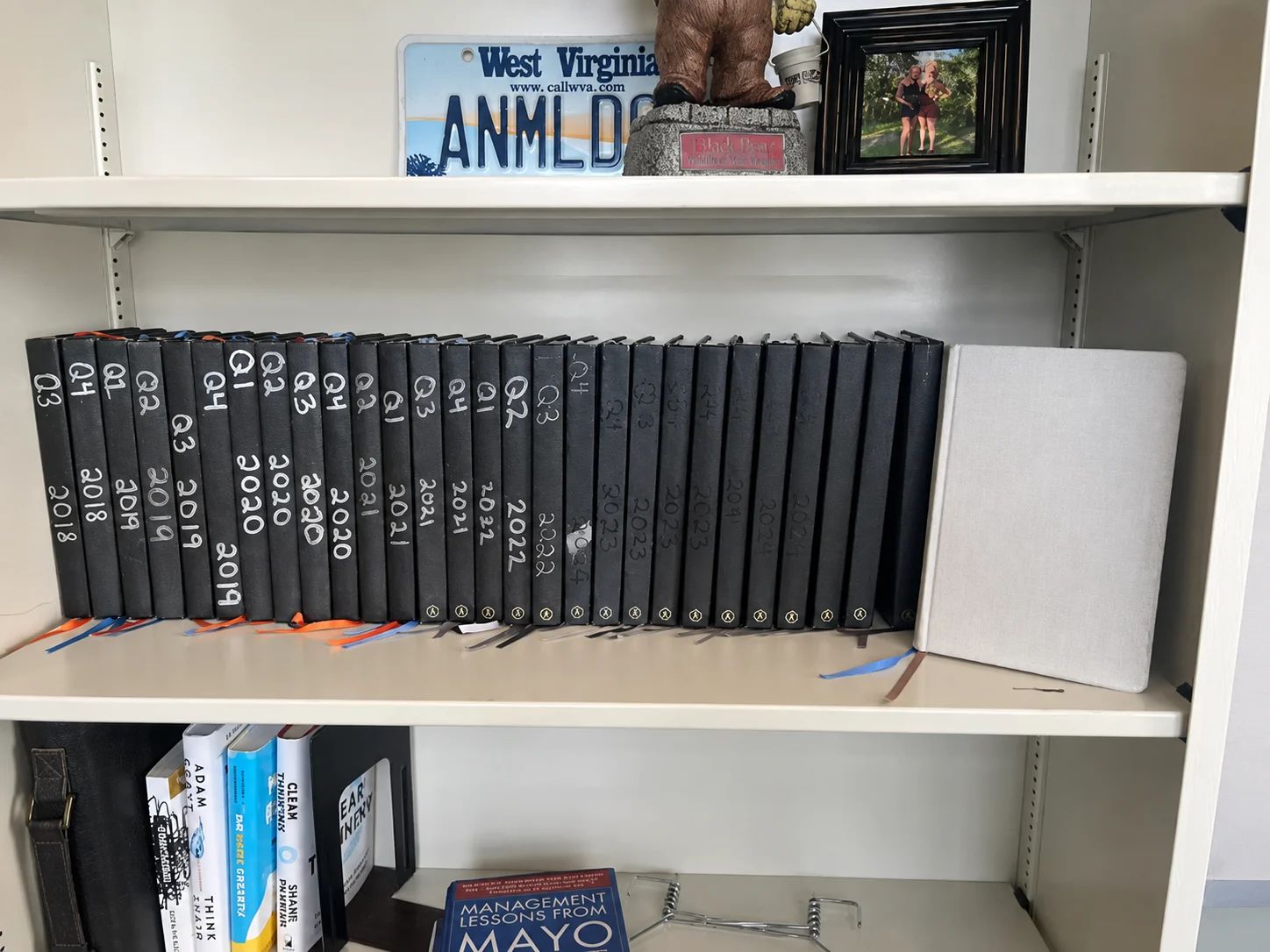
Why Paper Still Has a Place in a Digital World
In a world full of smarter tools, paper still does something digital often struggles to do: it keeps our priorities visible. Sometimes the best system is not the one with the most features. It is the one quiet enough to let us think.

When Excellence Makes You Question Your Own
Watching someone else excel can make you question your own gifts. But another person’s polish does not make your authenticity amateur. Excellence comes in different shapes.

The Business I Built One $3 Bet at a Time
Eighteen years. Thirty thousand sales. And the most valuable thing I walked away with wasn't in any of the shipping boxes.
The Comfort Trap (Part 1)
There is a moment in a career that nobody warns you about. Not the early struggle, not burnout — the dangerous moment is quieter than both, and it arrives dressed as success. The work finally feels easy. And that's exactly when things get risky.
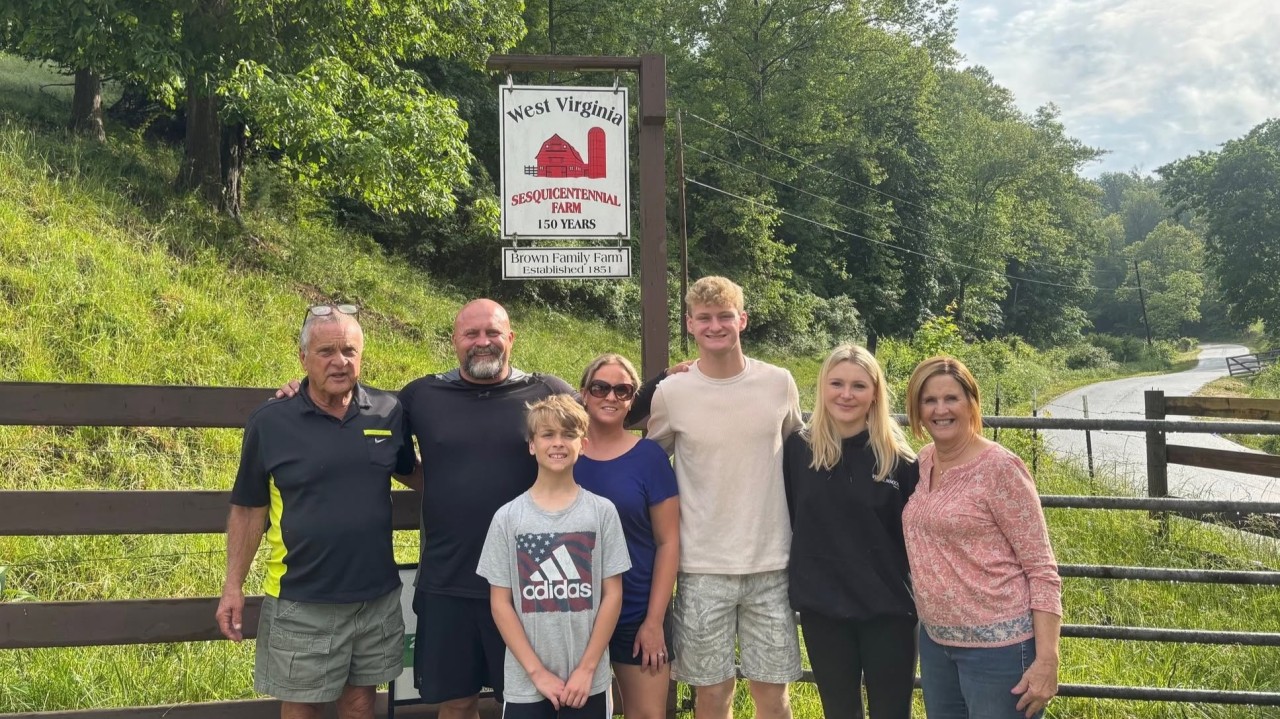
The Farm That Made Me
My family has been farming the same West Virginia ground since before the Civil War. One hundred and seventy-five years later, the cattle are still escaping, the invasive shrubbery has filed for statehood, and nobody has ever once waited to be asked.

The Real Price of Saying Yes
Every yes teaches people what access to you costs. The trouble is, the cost of yes rarely arrives with an invoice. It shows up as fatigue, resentment, lost focus, and the slow disappearance of your own goals — often long after the damage is done.

"Let Me Think On It"
“Let me think on it” can be wisdom, avoidance, or a deadline in disguise. The real leadership skill is knowing which one it is.

The Client I Lost Because I Thought Loyalty Was Permanent
A loyal client rarely leaves all at once. More often, trust slips away quietly through missed follow-ups, unresolved problems, and the dangerous assumption that history will hold a relationship together. I learned that lesson through a phone call I never wanted, from a client I thought would never leave, over a horse I should have referred sooner.

The Moment You Decide to Spend
You can spend years building career capital without ever asking the harder question. At some point the door opens and preparation is no longer the point. Decision is.

When Luck Needs a Balance
Most career advice stops at "do the right things and the right opportunity will appear." That part is true. It's also incomplete. Behind every major opportunity is a layer of timing no one fully controls — and a layer of preparation most people underestimate.

"You Need" vs. "I Recommend": The One Word That Gets People to Actually Act
For five years, every dental visit ended the same way — a polite suggestion, a thoughtful nod, and zero follow-through. Then my dentist changed one word, and I ordered a Waterpik before I started the engine. The difference wasn't the advice. It was the language.

The $50 Fix
A West Virginia veterinarian handed two feuding employees a $50 bill, pointed them toward a restaurant, and told them to figure it out or find new jobs. Twenty years later, it's still the clearest lesson I've seen on what unresolved conflict actually costs everyone else.

The Currency That Compounds
A winding career can feel scattered while you’re living it. Years later, the odd jobs, side hustles, hard lessons, and strange detours may turn out to be the exact deposits that prepared you for work you never saw coming.

The Pink Slip That Pushed Me Into Ownership
The day I got fired, I thought my ownership dream was over. Instead, it pushed me toward a garage, a folding table, one rabies vaccine, and the first real proof that I could bet on myself.

The Cost of Leadership No One Puts on the P&L
Every dashboard tracks revenue, margins, and conversion rates. None of them track the cost of bad leadership — the kind that looks fine on paper and quietly drains a team from the inside.