
Think You Have Good Judgment? There's a Test for That.
Most leadership assessments are useful, but many stop at labels. The Judgment Index pushed further, showing me how I assign value, how quickly I move toward decisions, and where my strengths can unintentionally create friction.
Why Some People Still Love Their Work
A simple Facebook question about people who genuinely love their jobs drew sixty-six answers. The jobs were wildly different, but the reasons people loved them were surprisingly similar: the work mattered, they had become good at it, and they had stayed long enough to see the difference it made.

When Was the Last Time You Did Absolutely Nothing?
Busy people are often terrible at doing nothing. But the quiet spaces we keep filling may be exactly where the clearest thinking finally has room to happen.
What a British Vet Show Taught Me About the Life I Left Behind
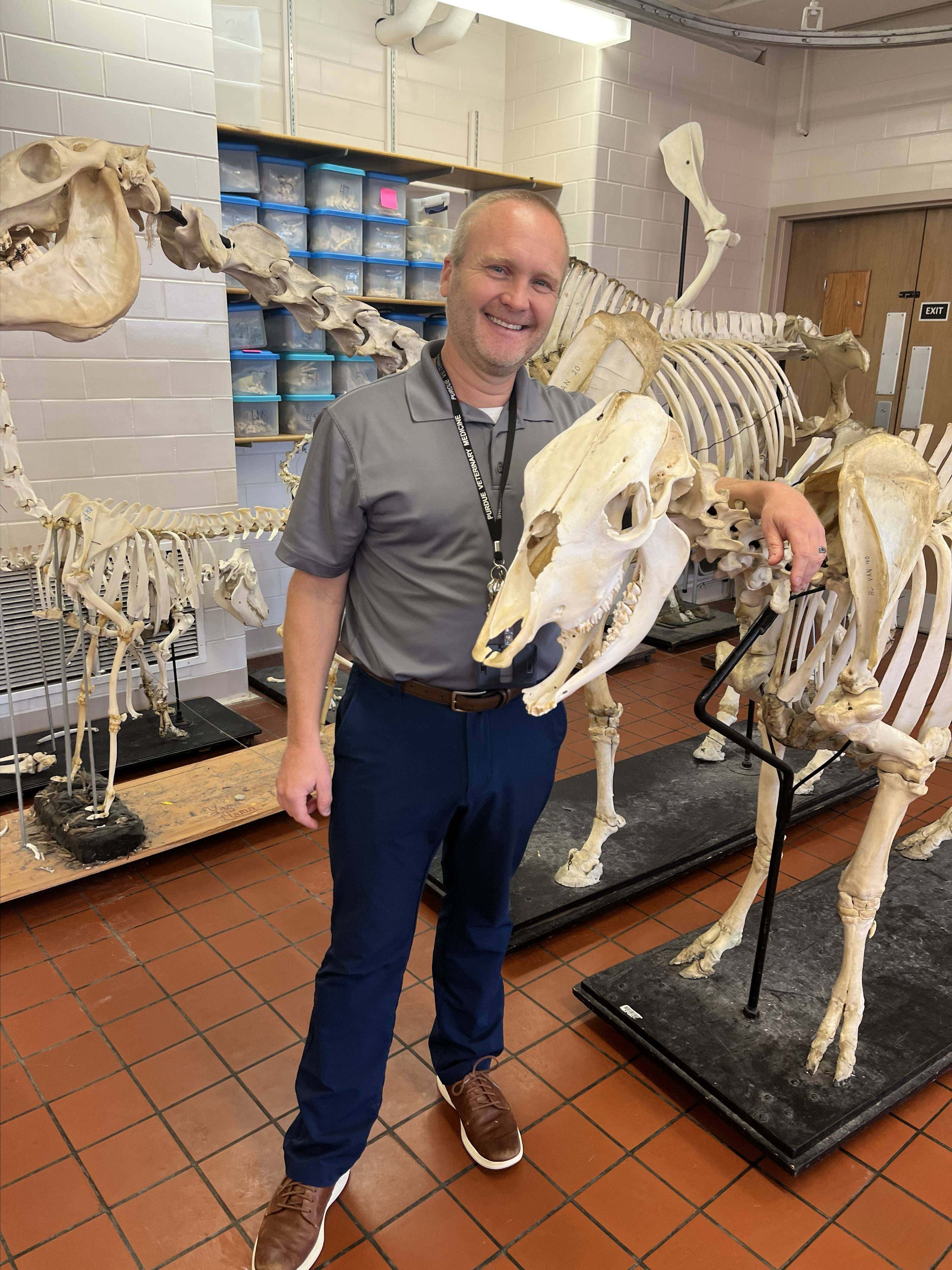
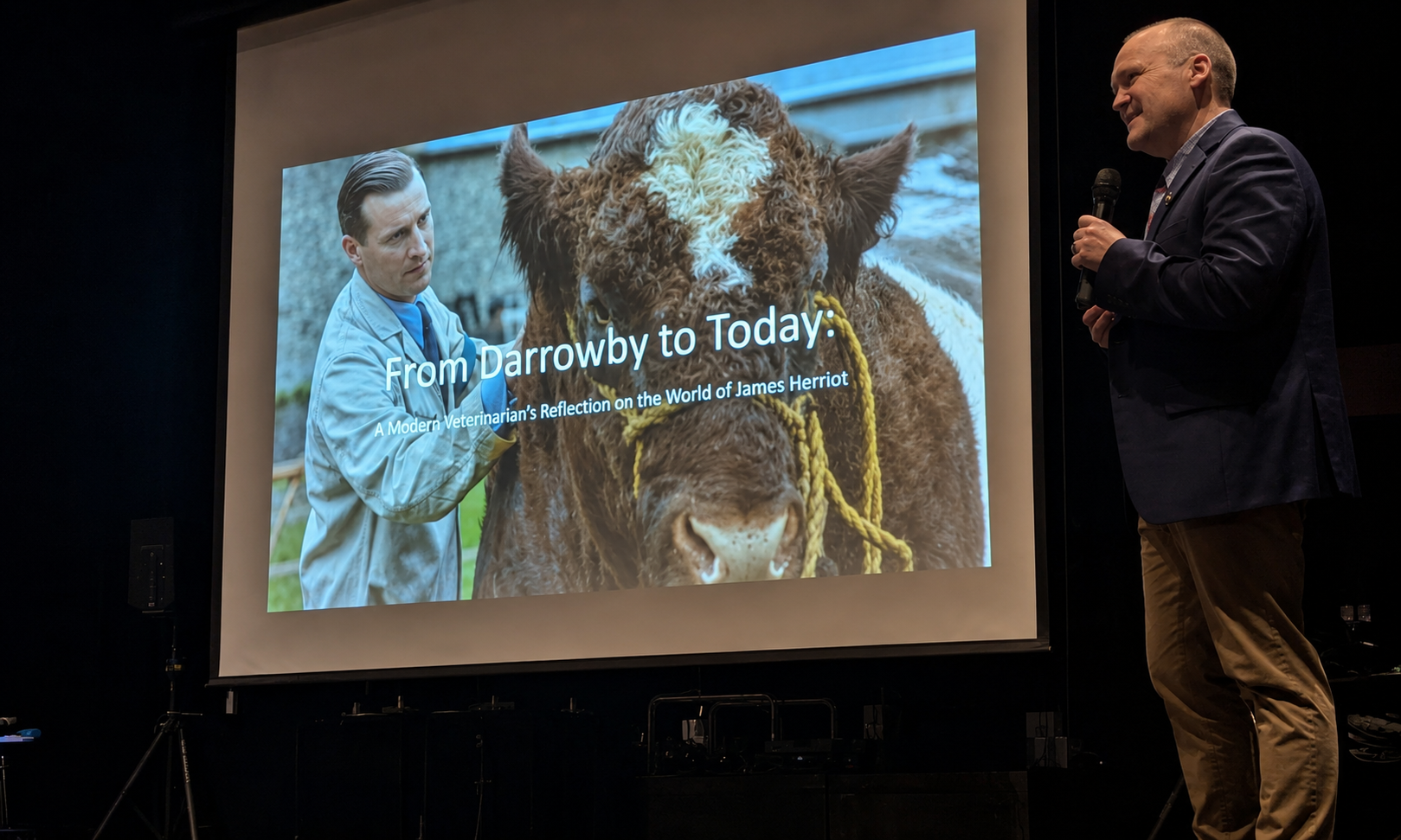
A speaking invitation from Iowa PBS led me to binge-watch All Creatures Great and Small. I expected nostalgia. Instead, I found myself missing the version of me who spent fifteen years in mixed animal practice.

What Sports Teach Us About Pressure
Basketball asks whether five people can solve a problem together. Wrestling asks whether you can. A look at what team sports and individual sports each teach about pressure, accountability, and the kind of competitor — and leader — you become.

Why Everyone Should Start a Side Business
A side business does not have to become an empire to be worth building. Sometimes the real value is the education it gives you: pricing, customers, cash flow, ownership, and the confidence that comes from creating something of your own.
Don’t Sleep on Direct Mail
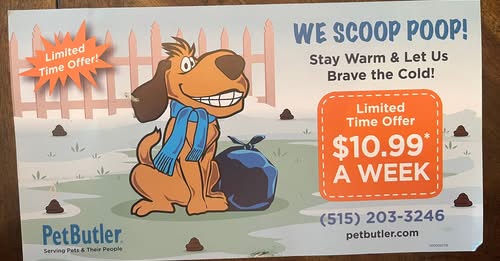
A jumbo postcard at the kitchen table reminded me that direct mail is not dead. When the offer is clear, the audience is right, and the message is simple enough to make someone do the math, cardstock can still cut through the digital noise.

Confessions of a Club Thrower
I once threw a golf club hard enough to injure my shoulder. The club was fine. My shoulder was not. Years later, that ridiculous moment still reminds me what golf teaches best: humility, patience, honesty, and what not to do when things go sideways.

Everybody Wants Change. Until It Involves Them.
Everybody wants change until it asks something of them personally. Real progress usually starts when someone is willing to absorb the first dose of inconvenience and go first.

The Danger of Old Measurements
A nagging running ache sent me to a specialty shoe store, where I discovered I’d been wearing the wrong size for thirty years. The bigger lesson had less to do with shoes and more to do with the old assumptions we forget to recheck.

The Office Chair Market Is Completely Unhinged
I spent an afternoon test-driving office chairs in a procurement showroom and somehow found myself thinking deeply about lumbar support, armrest articulation, standing desks, floor mats, and the absurd little industries we build around ordinary human discomfort.

Living Like Everyone's Watching
Integrity is not really about who we are when people are watching. It is about whether our private choices match the person we claim to be in public. The small moments matter: the email we almost send, the shortcut we almost take, the comment we make after someone leaves the room. Character gets built there first.

Did You Actually Plan This?
Most of us had a plan. Then life stepped in with closed doors, strange opportunities, career detours, and unexpected turns that somehow became the best parts of the story.
Success Leaves Clues. So Do You.
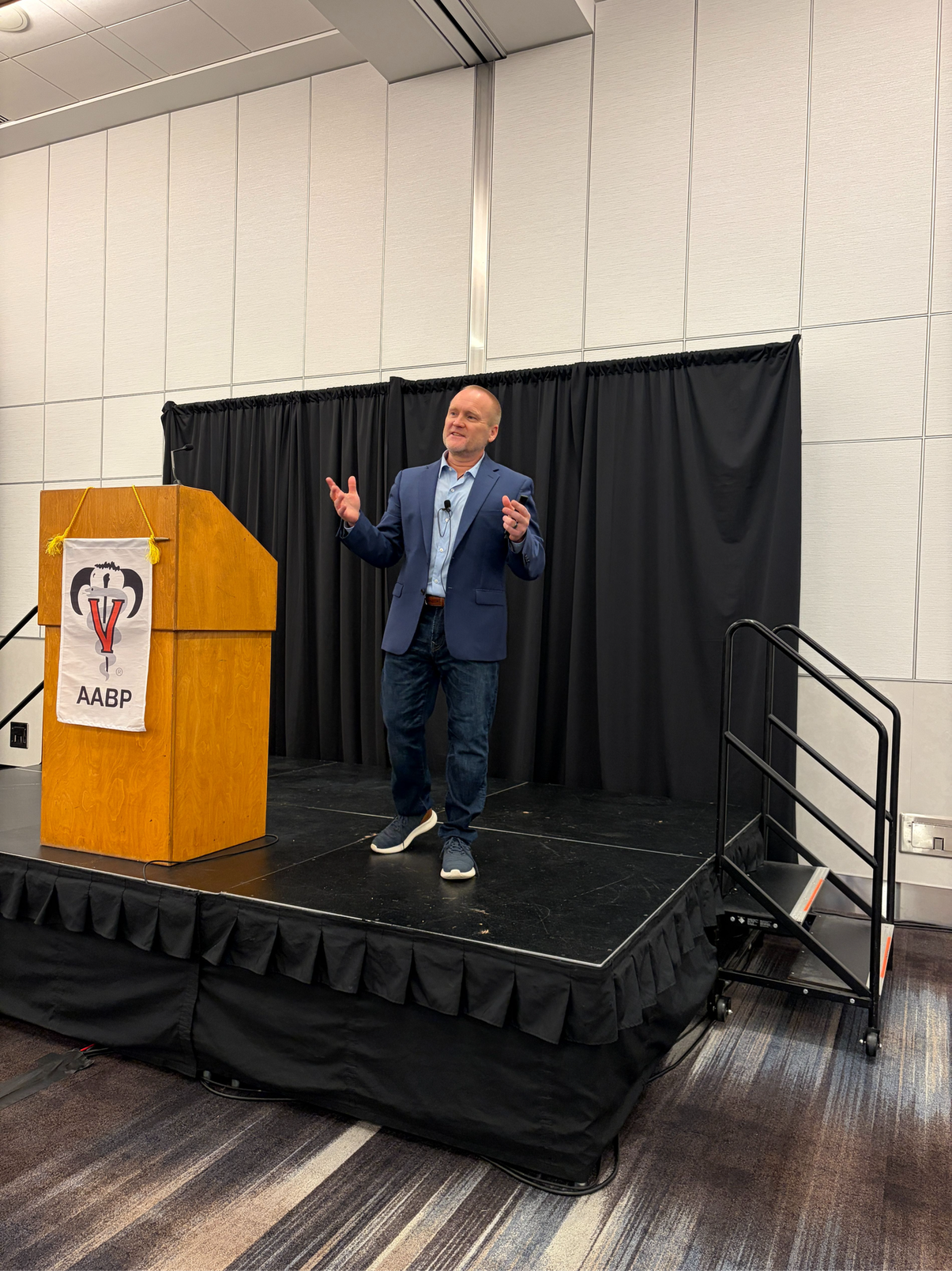
It is wise to learn from people we admire, but there is a line between growth and becoming a tribute act. This essay is about authenticity, values, leadership, and why your own life leaves clues too.

The Isolation Tax: Why I Finally Hired a Coach
Some of my biggest mistakes came from making important decisions in isolation. This essay is about the “isolation tax,” why outside perspective matters, and why I finally hired a coach.

Leadership Lessons You Only Learn the Hard Way
Leadership rarely teaches its hardest lessons cleanly. The real work shows up in unclear conversations, imperfect decisions, missed signals, and the slow realization that people follow more than your plan. They follow your clarity, your purpose, your humility, and whether they can trust you up close.

Career Optionality Is the New Job Security
Career security no longer comes from one stable job. It comes from building skills, relationships, reputation, and judgment that travel with you.

The Quiet Financial Ceiling No One Warns You About
Small annual raises can feel like progress, but they often disguise the real issue: your earning power may not be growing. The real financial ceiling is not always the raise you receive. It is the value you build over time.

I Started Saying “Good” to Everything Bad
A leadership lesson about stress, self-control, and the tiny pause that can keep a bad moment from becoming someone else’s bad memory.