
When Was the Last Time You Did Absolutely Nothing?
Busy people are often terrible at doing nothing. But the quiet spaces we keep filling may be exactly where the clearest thinking finally has room to happen.

Don’t Sleep on Direct Mail
A jumbo postcard at the kitchen table reminded me that direct mail is not dead. When the offer is clear, the audience is right, and the message is simple enough to make someone do the math, cardstock can still cut through the digital noise.

Confessions of a Club Thrower
I once threw a golf club hard enough to injure my shoulder. The club was fine. My shoulder was not. Years later, that ridiculous moment still reminds me what golf teaches best: humility, patience, honesty, and what not to do when things go sideways.

The Danger of Old Measurements
A nagging running ache sent me to a specialty shoe store, where I discovered I’d been wearing the wrong size for thirty years. The bigger lesson had less to do with shoes and more to do with the old assumptions we forget to recheck.
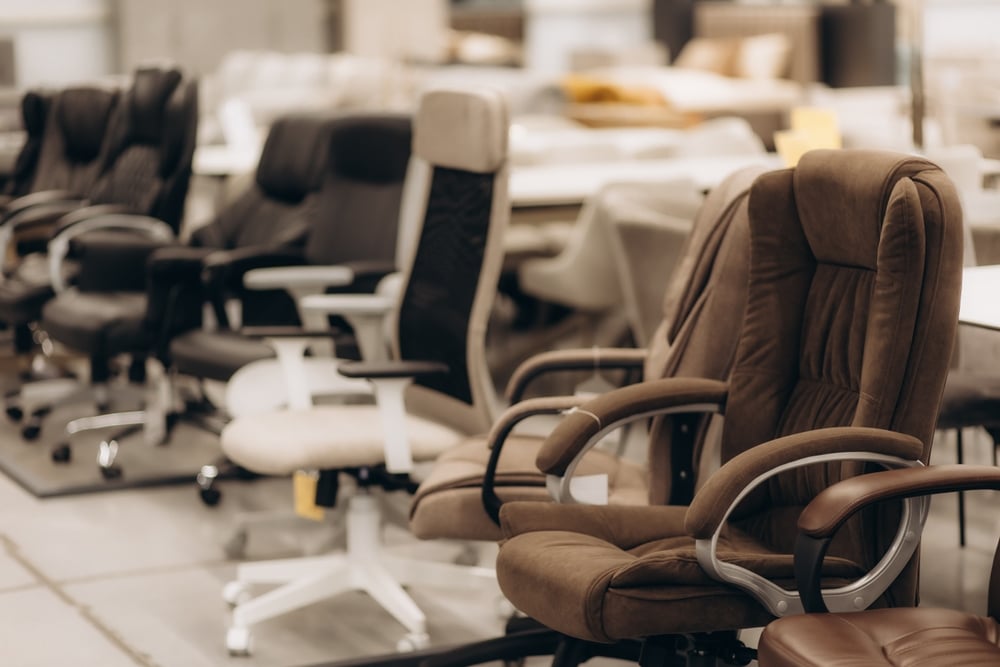
The Office Chair Market Is Completely Unhinged
I spent an afternoon test-driving office chairs in a procurement showroom and somehow found myself thinking deeply about lumbar support, armrest articulation, standing desks, floor mats, and the absurd little industries we build around ordinary human discomfort.
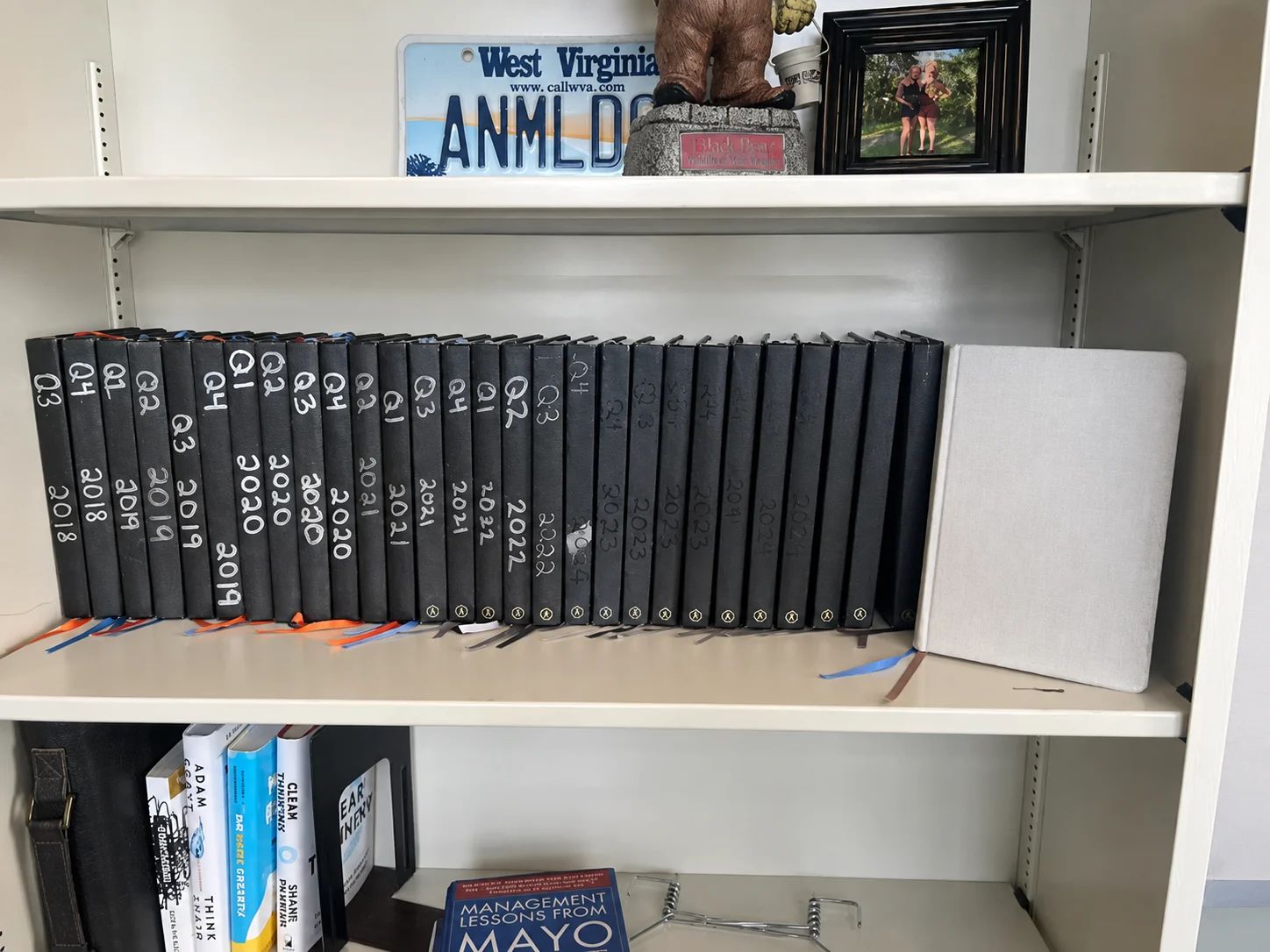
Why Paper Still Has a Place in a Digital World
In a world full of smarter tools, paper still does something digital often struggles to do: it keeps our priorities visible. Sometimes the best system is not the one with the most features. It is the one quiet enough to let us think.
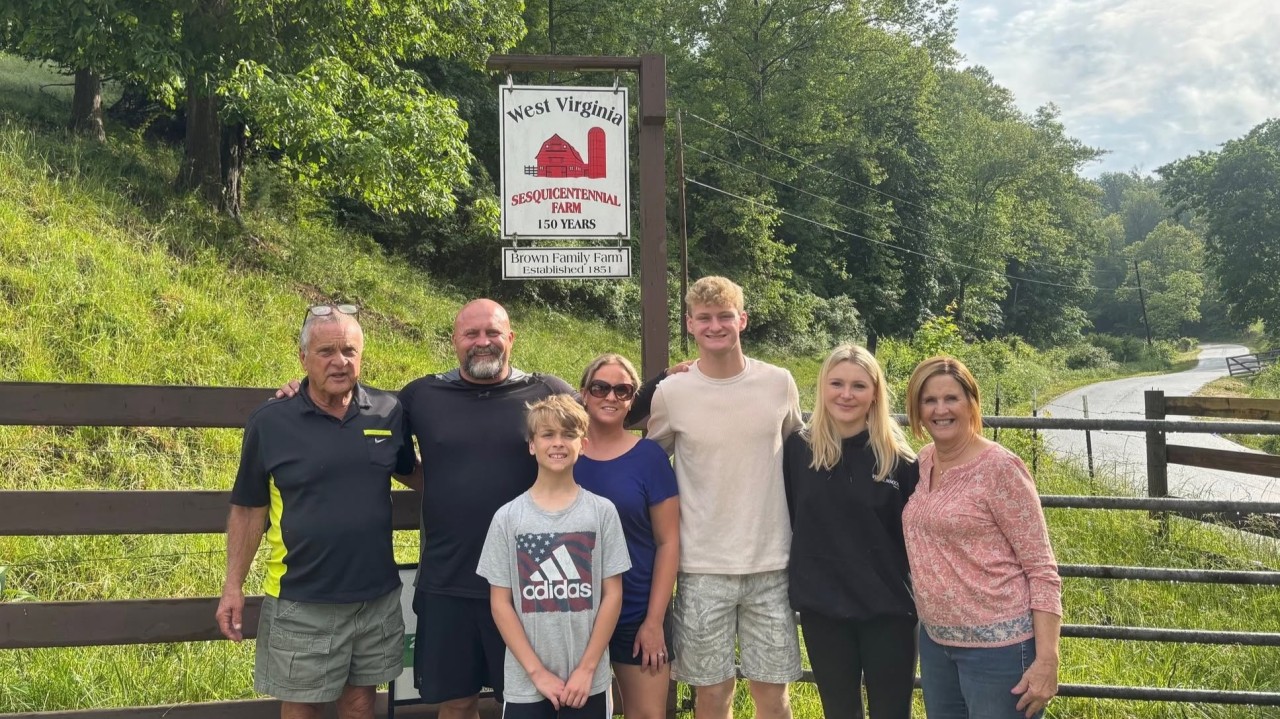
The Farm That Made Me
My family has been farming the same West Virginia ground since before the Civil War. One hundred and seventy-five years later, the cattle are still escaping, the invasive shrubbery has filed for statehood, and nobody has ever once waited to be asked.
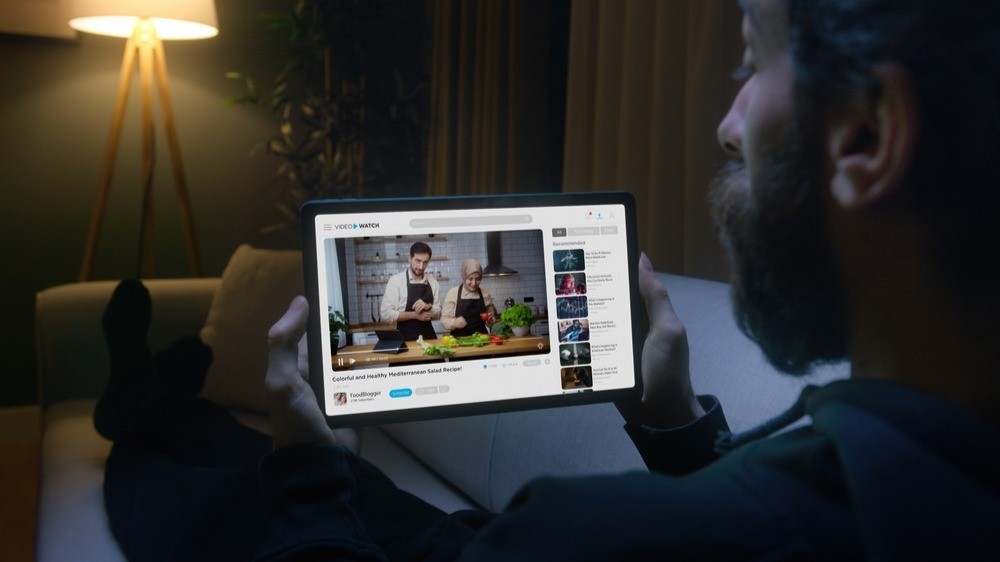
Just-in-Time Learning: Why We Learn Best Right Before We Need To
The best learning often happens when the problem is real, the stakes are immediate, and you need the answer five minutes ago.