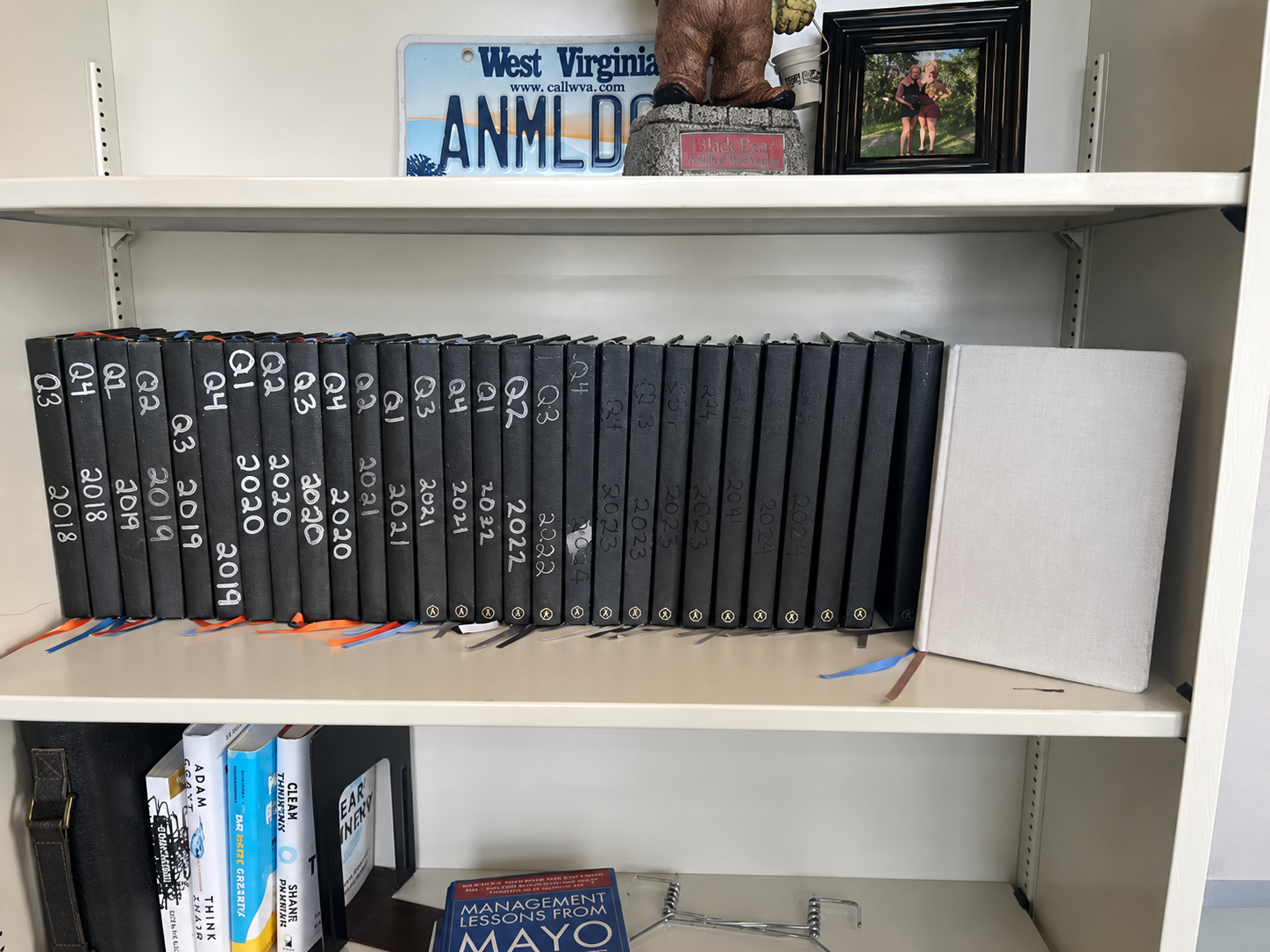
Why Paper Still Has a Place in a Digital World
In a world full of smarter tools, paper still does something digital often struggles to do: it keeps our priorities visible. Sometimes the best system is not the one with the most features. It is the one quiet enough to let us think.
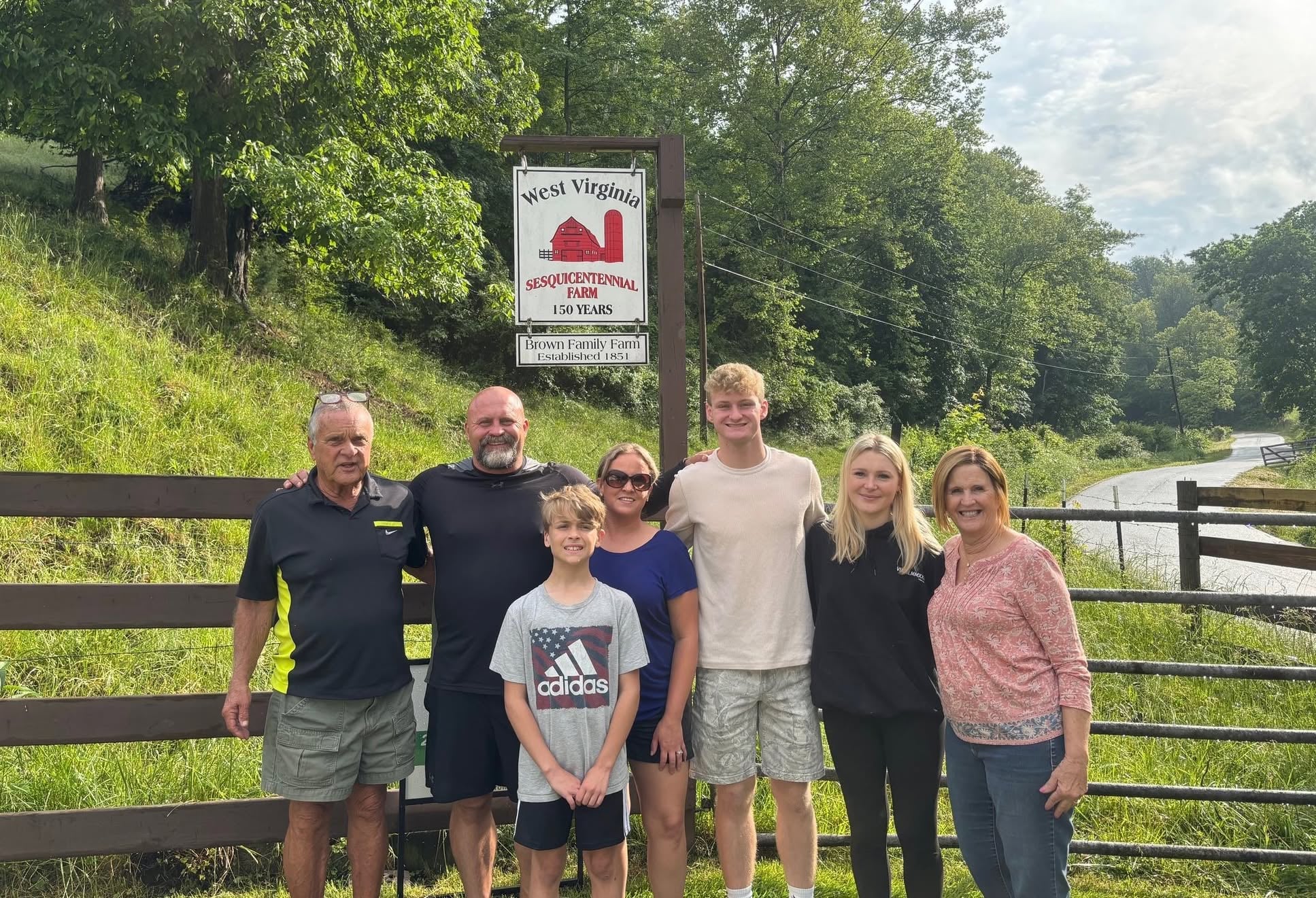
The Farm That Made Me
My family has been farming the same West Virginia ground since before the Civil War. One hundred and seventy-five years later, the cattle are still escaping, the invasive shrubbery has filed for statehood, and nobody has ever once waited to be asked.

The Real Price of Saying Yes
Every yes teaches people what access to you costs. The trouble is, the cost of yes rarely arrives with an invoice. It shows up as fatigue, resentment, lost focus, and the slow disappearance of your own goals — often long after the damage is done.
"You Need" vs. "I Recommend": The One Word That Gets People to Actually Act
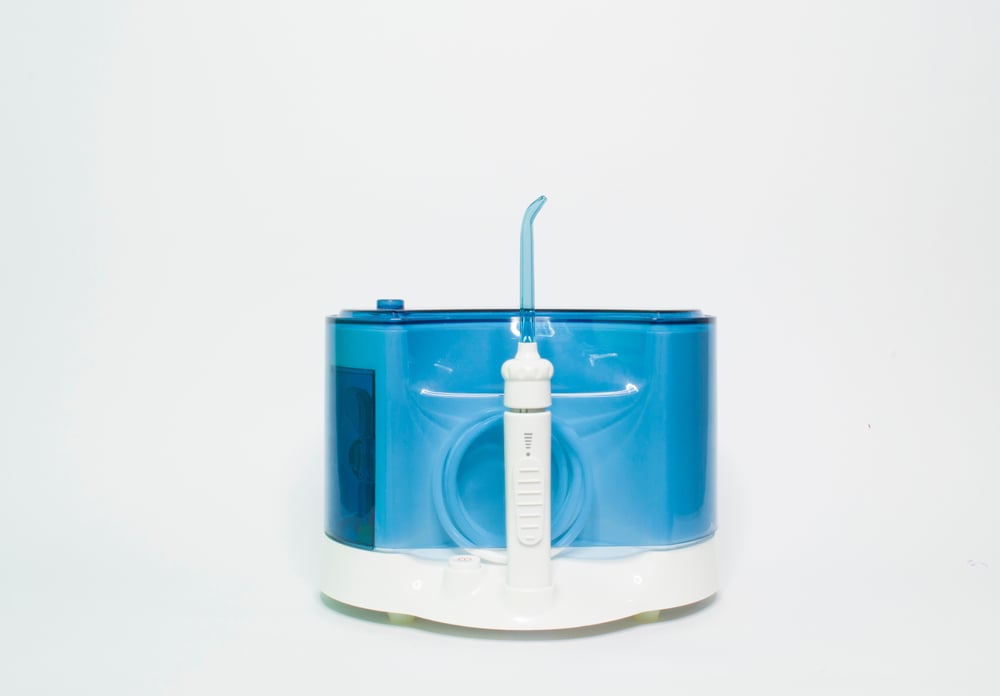
For five years, every dental visit ended the same way — a polite suggestion, a thoughtful nod, and zero follow-through. Then my dentist changed one word, and I ordered a Waterpik before I started the engine. The difference wasn't the advice. It was the language.

The $50 Fix
A West Virginia veterinarian handed two feuding employees a $50 bill, pointed them toward a restaurant, and told them to figure it out or find new jobs. Twenty years later, it's still the clearest lesson I've seen on what unresolved conflict actually costs everyone else.

What's Your Disc Golf?
He was maybe twenty years old, carrying a trophy so large it looked like it should have its own boarding group. He looked genuinely, peacefully happy at 1 a.m. in Terminal 3, which made him the most suspiciously well-adjusted person in the building. I Googled him two minutes later. Career earnings: $850,000. Meanwhile I was trying to decide whether the airport salad could survive the reimbursement process.
Just-in-Time Learning: Why We Learn Best Right Before We Need To
The best learning often happens when the problem is real, the stakes are immediate, and you need the answer five minutes ago.