Why Some People Still Love Their Work
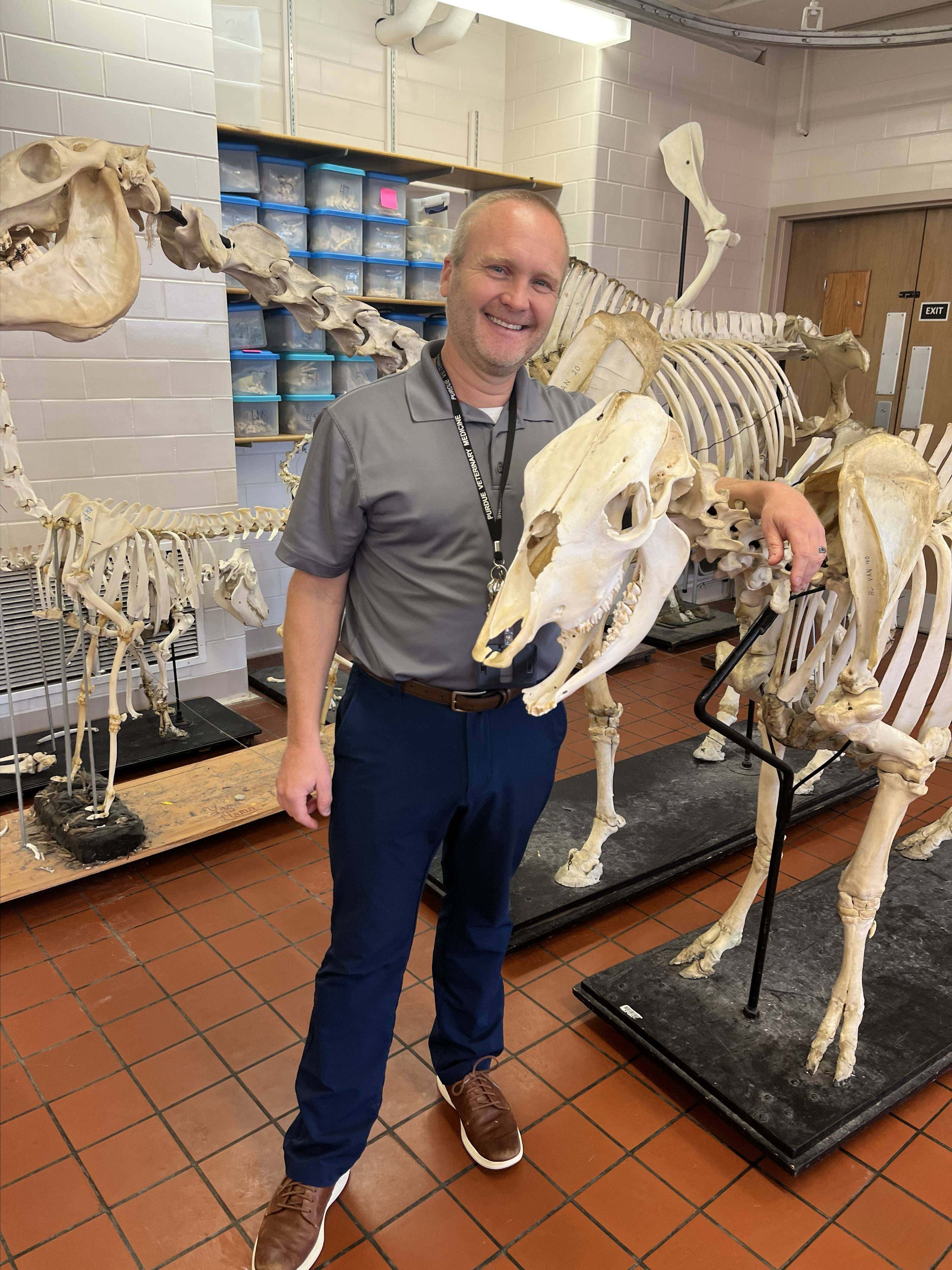
On March 9, 2026, I posted a simple question on Facebook:
If you genuinely love your job, what do you do for a living?
I expected a dozen polite answers, most of them fairly predictable. A teacher. A nurse. A veterinarian. Maybe someone from high school who now owns a landscaping business and somehow looks exactly the same as they did in 1993.
Instead, sixty-six people responded.
That number surprised me. What surprised me more was what they said. Nobody appeared to be workshopping a personal mission statement in the comments, which was a relief. They just answered the question. And when I read those sixty-six answers together, they said more about meaningful work than most career books manage in two hundred and fifty pages.
The Jobs Made No Sense Together
The titles alone were worth reading twice.
Teachers. Nurses. Farmers. Veterinarians. Mental health counselors. Pharmacists. Dentists. Respiratory therapists. A home inspector. A Walmart greeter. Someone who relocates pets internationally for a living, which is apparently a real job that a real person does and loves, and I respect that enormously. Someone else designs classified government facilities, which sounds fascinating and also like the kind of job where every casual dinner conversation eventually runs into a locked door.
Lay those titles side by side and they share almost nothing. Different degrees, different licenses, different pay scales, different uniforms, different kinds of fatigue. Some of the work is physical. Some is clinical. Some is technical. Some happens almost entirely out of public view. Some requires years of formal education. Some requires practical wisdom, patience, strong coffee, and the ability to stay pleasant while the general public behaves like the general public.
But read enough of the answers back to back, and a pattern starts to appear whether you were looking for one or not.
The jobs were different. The source of meaning was not.
What They Were Really Doing
Strip away the titles, and nearly every response fell into one of three categories.
A large group was teaching somebody. Kids, college students, future nurses, veterinary technicians, apprentices, new hires who do not yet know what they do not know. These are people who spend their days handing off what they know to someone who does not know it yet, and somehow find that energizing instead of draining. Anyone who has ever tried to teach anything, from long division to IV placement to how to use the office printer without summoning a minor demon, knows that outcome is not guaranteed. Teaching takes more than information. It takes patience, translation, timing, and the humility to explain something a fifth time without making the other person feel small.
A second group was healing somebody. Human medicine, veterinary medicine, therapy, dentistry, pharmacy, respiratory care. The entire spectrum of putting broken things back together, whether the broken thing is a body, a mind, an animal, or a family that has had a rough stretch. None of this is easy work. The hours run long, the stakes run high, and the paperwork alone could test the moral fiber of a saint. And yet, almost without exception, people in this group said the same thing: they still love it. Not the documentation. Not the insurance calls. Not the phone ringing before sunrise. The work itself, the reason they got into it in the first place, had not worn off.
A third group was building or maintaining something the rest of us depend on without noticing. Farms, homes, infrastructure, financial systems, safety systems, facilities, and the practical machinery that keeps ordinary life from wobbling off its wheels. The electrician nobody thinks about until the lights go out. The plumber who becomes the most important person alive the moment water shows up somewhere it should not. The farmer who was working before most of us were fully human and will still be out there after the rest of us have declared the day sufficiently handled.
Nobody in that group made a speech about it. They stated what they did, said they loved it, and moved on. There was a quiet confidence in that brevity.
Plenty of people were doing some blend of all three. They were teaching, healing, building, maintaining, guiding, repairing, organizing, comforting, and translating chaos into something slightly more usable.
And scattered through the replies, without fanfare, a handful of people just wrote mom or dad or caregiver. Technically, that may not be a job title. In terms of hours, stakes, emotional labor, and pay, it might be the most demanding one on the list.
The Thing Nobody Mentioned
What struck me more than any individual answer was what did not show up at all.
Money did not come up.
Not once.
Nobody led with salary. Nobody talked about benefits. Nobody mentioned titles, status, office size, parking spots, or how the job reads on a résumé. That does not mean money does not matter. It does. Anyone who claims otherwise has either never opened a utility bill in February or is trying to sell you a book about purpose.
But when people described why they genuinely loved their work, compensation was not the emotional center of the answer.
What showed up instead, in different words and completely unrelated contexts, was the same combination over and over: the work mattered to somebody specific, they had gotten good at it, and they had stayed with it long enough to see what it produced.
That third piece is easy to overlook, but it may be the most important one.
A teacher of eighteen years watching former students grow into adults is not describing the same job as someone six months in, even though the title on the badge may be identical. A veterinarian who still feels a small lift when an animal leaves better than it arrived has earned that feeling through years of appointments where the outcome was not guaranteed. A farmer who can walk land worked for decades sees more than soil. He sees the accumulated proof of thousands of decisions, repairs, risks, seasons, and stubborn acts of stewardship.
And then there was the Walmart greeter.
That one stayed with me.
It would be easy to overlook that job on paper. Many people probably do. But imagine being the first friendly face a hundred strangers see on an ordinary morning, simply because you have become good at something most people would dismiss as simple. That is not nothing. In fact, it may be one of the cleanest examples of meaningful work in the whole thread. No grand title. No keynote. No framed strategic plan. Just a person at the front of a store making the day feel a little less cold for people they may never see again.
That matters.
Meaning Has a Long Fuse
None of the sixty-six people described falling into a flawless job that required no effort and arrived already aligned with some grand life purpose. What they described, without using this language, was a quieter and less marketable sequence: find something worth doing, get reasonably good at it, and stay long enough for it to start meaning something.
We often talk about loving your work as if it is a feeling that either appears or does not, fully formed, the way you find a good parking spot. What these answers suggest is something more durable. Competence changes the experience of work. So does time. So does knowing exactly who benefits when you do your job well.
Organizational psychologists have a name for part of this: job crafting. It is the idea that people often find deeper satisfaction not by changing everything about their work, but by shaping the everyday pieces of it toward what matters most. The people in that Facebook thread did not need the terminology. They had already lived the concept.
The work had become meaningful because they had touched it long enough, shaped it enough, and become useful enough for the meaning to show itself.
What the Pattern Says
The title does not matter nearly as much as we assume. Neither does the industry. It is not really about whether the job sounds impressive at a party or would photograph well for a glossy feature on people who have it all figured out.
It comes down to whether the work touches somebody else’s life in a way you can actually see. Whether you have become good enough at it to feel competent instead of merely busy. And whether you have stayed around long enough to watch the work do what it is supposed to do, because that part almost always takes longer than anyone expects walking in.
A classified facilities designer, a Walmart greeter, a pet relocation specialist, a second-grade teacher, a farmer, a nurse, a veterinarian, and a caregiver were all pointing at the same truth without knowing they were pointing at anything at all.
There are a lot of people out there doing work they genuinely love. They are not always the loudest people online. They may not have the most glamorous titles. They may never be featured in a highlight reel. But they are doing work that matters, for people who matter, in places where their competence has become useful.
They are not hard to find.
You just have to ask.

Thanks for reading!
Subscribe to receive my weekly newsletter, alerts when new posts are available, and occasional updates from me.
Thank you for subscribing!
Have a great day!